
 DevMusa
Yes, web development is still in demand in 2026. But the work is changing.
Businesses still need websites to sell products, get leads, answer customer questions, take bookings, and build trust. Online stores also need developers to improve checkout pages, connect payment systems, manage products, and make shopping easier on phones.
At the same time, tools such as AI website builders and no-code platforms have made it easier to create a simple website. That has changed the market. A basic five-page website is not as difficult to build as it once was.
Still, businesses with more specific needs often need a web developer. They may need a custom feature, a faster website, an e-commerce store, a website redesign, or a web application that connects with other systems.
So, is web development still in demand in 2026? The answer is yes, but clients now expect more than just a website.
Is Web Development Still in Demand?
Web development remains a useful skill and a real business service in 2026.
The U.S. Bureau of Labor Statistics expects employment for web developers and digital designers to grow by 7% between 2024 and 2034. It also expects around 14,500 openings each year across this occupation group. The BLS points to the continued growth of ecommerce and the need for websites that work well across different mobile devices as two reasons for this demand.
This does not mean every web developer will find work easily.
There is strong competition. Businesses have more choices than before. Freelancers, agencies, WordPress developers, Shopify experts, and AI-powered tools all compete for website projects.
The type of work people need is also changing.
A business owner may not need someone to simply put text and images on a page. They may need someone who can build a website that loads quickly, works on mobile phones, connects with other software, and helps turn visitors into customers.
That is where professional web development still has value.
Why People Think Web Development Is Dead
The idea that web development is dead comes from several trends:
1. AI Can Generate Code
Tools like ChatGPT can write HTML, CSS, JavaScript, React, PHP, and Python code in seconds. This has led many people to believe that companies no longer need developers.
However, AI can generate code, but it cannot fully understand business requirements, user experience, security concerns, scalability, and project architecture like an experienced developer.
2. No-Code and Low-Code Platforms
Platforms such as WordPress, Wix, Shopify, and Webflow allow people to create websites without coding. While these tools make development easier, businesses frequently need custom features that only professional developers can create.
3. Increased Competition
More people are learning coding than ever before. This creates competition, especially for entry-level web development jobs. Increased competition does not mean the industry is dying.
Is Web Development Dead in 2026?
The answer is clear: Web development is not dead in 2026.
Every business needs an online presence. It’s a local restaurant, a startup, an e-commerce store, or a multinational corporation; websites remain essential.
Some examples include:
- E-commerce websites
- Business websites
- SaaS platforms
- Learning management systems
- Job portals
- Healthcare portals
- Government websites
- Web applications
As long as businesses need websites and web applications, there will be demand for web developers.
Why Do Businesses Still Need Websites in 2026?
Social media is useful, but it does not replace a business website.
A company can have a Facebook page, Instagram account, TikTok profile, or LinkedIn page. Those platforms can help bring people in, but the business does not control how those platforms work.
A website gives the business its own place online. A well-built website can help a business:
- Explain its services
- Show products
- Collect enquiries
- Take bookings
- Sell online
- Share contact information
- Build trust
- Appear in Google search
- Connect with other business tools
For a small business, the website can also work as a central place for customers who find the company through Google, social media, ads, or referrals.
That is one reason website development continues to have a place in the market.
What Has Changed in Web Development in 2026?
The biggest change is the number of tools available to people who want to build websites themselves.
WordPress, Shopify, Wix, Squarespace, Webflow, and other platforms allow people to create websites without building everything from scratch.
AI has added another layer to this.
Modern website builders can help users create layouts, write basic content, generate images, and make changes with simple instructions. Shopify, for example, is adding AI features to its e-commerce tools, while website builders across the market are using AI to speed up parts of the website creation process.
That does not mean developers are no longer needed.
It means developers can spend less time on some basic tasks and more time on work that requires planning, testing, problem-solving, and technical knowledge.
Does AI Replace Web Developers?
AI can write code. It can suggest fixes. It can create simple page layouts and help with repetitive development tasks.
That does not make every web development project automatic.
A real business website still needs someone to decide what should be built and how it should work.
For example, imagine a company that wants a website connected to its CRM, payment system, booking software, email platform, and inventory system.
An AI tool may help write some of the code. It does not remove the need to understand how those systems should work together.
The same applies when a website has a bug, a security problem, a slow database query, or a checkout problem.
Developers still need to test the result and make sure the website works properly.
AI is becoming part of the web development process rather than simply being something developers compete against. Current web development trends also show growing use of AI alongside areas such as mobile-first design, progressive web apps, APIs, cloud services, and ecommerce development.
What Type of Web Development Is in Demand?
Not all website projects are the same. A simple personal website and a custom business platform can require very different levels of work. Some areas worth watching in 2026 include:
Custom Web Development
Businesses with unusual requirements may need a website built around their own processes.
This can include custom dashboards, customer portals, booking systems, calculators, directories, and other web applications.
Ecommerce Development
Online shopping continues to be a major part of the web.
Businesses need ecommerce websites that make it easy for customers to find products, add items to a cart, pay securely, and track orders.
Platforms such as Shopify and WooCommerce make it easier to start an online store, but businesses may still need developers for custom features and integrations.
WordPress Development
WordPress remains popular with businesses that want control over their website content.
A business may start with a standard theme and later need custom changes, plugin integrations, speed improvements, security work, or a complete redesign.
That creates opportunities for WordPress developers.
Website Redesign
Some companies already have a website but are not happy with it.
It may look outdated. It may be difficult to use on a phone. It may load slowly or make it hard for visitors to contact the business.
A redesign can solve these problems without starting the business’s online presence from zero.
Web Applications
Some projects go beyond normal websites.
A web application can allow customers or staff to log in and perform tasks online. Examples include customer dashboards, booking platforms, management systems, learning platforms, and online tools.
These projects usually require more development work than a standard business website.
Are Website Builders Replacing Web Development?
Website builders are changing web development, but they are not removing the need for developers.
They are useful for people who need a simple website and want to build it themselves.
A small business owner might use Wix or Squarespace to get started. An online seller might choose Shopify. Another business might use WordPress.
That can be a good choice when the requirements are simple. Problems start when the business needs something outside what the platform offers easily.
For example, a company may need a custom customer area, a special booking process, a connection with an internal system, or a unique ecommerce feature.That is when professional development becomes more useful. The question is no longer simply, “Can I build a website?”
The better question is, “Can I build the website my business actually needs?”
Why Mobile-Friendly Websites Still Matter
People use phones for almost everything online. They search for businesses, compare products, read reviews, fill out forms, make bookings, and shop from mobile devices.
A website that works well on a desktop but feels difficult to use on a phone can lose potential customers. This is one reason responsive web design remains important.Text should be readable. Images should load properly. Forms should not be difficult to complete.
The BLS also points to continued mobile web use as one factor supporting demand for developers and digital designers.
Does a Business Website Need SEO?
A website can look great and still receive very little traffic. That is where SEO comes in.
Search engine optimization helps a website become easier for search engines to understand and easier for people to find.
Web development and SEO are closely connected. A developer can help with areas such as:
- Website speed
- Mobile usability
- Site structure
- Technical SEO
- Internal linking
- Clean code
- URL structure
- Structured data
- Image optimization
Content and backlinks also matter, but technical problems can make it harder for a website to perform well.
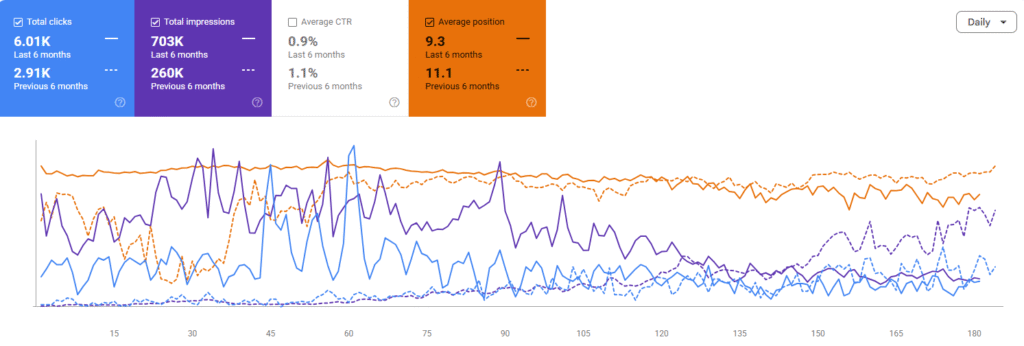
SEO should be considered during development rather than as an afterthought for businesses looking to gain customers from Google.
Is Web Development a Good Investment for a Small Business?
It can be, especially when the website has a clear purpose. A business does not need a huge website to get value from web development.
A local service company may only need a clean website with service pages, contact information, reviews, FAQs, and a strong enquiry form.
An online store will need more. A company selling software may need a completely different setup. The right investment depends on what the business wants the website to do.
A cheap website that does not generate enquiries may cost more in the long run than a properly planned website that helps bring in customers.
What Should a Modern Business Website Include?
A good business website in 2026 should make things easy for visitors.
Depending on the business, it may include:
- Clear service or product information
- Mobile-friendly design
- Fast-loading pages
- Simple navigation
- Contact forms
- Click-to-call buttons
- Secure connections
- Customer reviews
- FAQs
- Clear calls to action
- Search-friendly page structure
- Analytics
- Social media links
- Ecommerce features when needed
Not every business needs every feature. The website should match the business and its customers.
Is Web Development Still Worth Learning in 2026?
If you are asking this because you want to become a web developer, the answer is more complicated than simply saying yes.
The field is competitive.
Basic coding skills alone may not be enough to stand out. Developers need to understand how websites work, how businesses use them, and how to solve real problems.
Learning HTML, CSS, JavaScript, databases, APIs, version control, and modern development tools can still be useful. It is also worth learning how to work with AI coding tools instead of ignoring them.
The people who adapt to new tools are likely to have an advantage over those who refuse to use them.
For businesses, the same idea applies. AI can make some tasks faster, but knowing what to build and checking whether the final result actually works still matters.
What Does the Future of Web Development Look Like?
Web development is not standing still.
AI is changing how developers write and test code. Website builders are making basic development easier. E-commerce is growing. Businesses are asking for better mobile experiences. Web applications are becoming more common.
At the same time, website users expect pages to be fast, easy to use, secure, and useful.
That means the value is moving away from simply creating pages. The stronger opportunity is in solving business problems through the web.
A developer who can build a fast ecommerce store, connect different systems, improve a website’s user experience, or create a custom web application offers something that a basic website builder may not provide.
Final Answer: Is Web Development Still in Demand in 2026?
Yes, web development is still in demand in 2026.
The market is different from a few years ago, though. AI tools and website builders have made basic website creation easier and faster.
That is not the end of web development.
Businesses still need websites for sales, marketing, customer enquiries, ecommerce, bookings, and online services. They also need help when a website becomes slow, outdated, difficult to use, or unable to handle new requirements.
The U.S. employment outlook supports this. The Bureau of Labor Statistics projects 7% growth for web developers and digital designers from 2024 to 2034, which is faster than the projected 3% growth for all occupations.
For businesses, the message is simple. A website is no longer just an online brochure. It can be part of the sales process, customer service, marketing strategy, and daily operations.
For developers and agencies, the opportunity is in building websites that do more than look good.
They need to work well, load quickly, support business goals, and give visitors a reason to take action.
That is why web development still has a place in 2026.
What Skills Are Important in Web Development in 2026?
Web development has changed, but the basic skills are still useful.
HTML, CSS, and JavaScript remain important for front-end development. Developers also work with databases, APIs, content management systems, hosting platforms, and different frameworks.
But technical skills are only part of the job. A good developer should also understand what the client is trying to achieve.
For example, a restaurant may need online bookings. An online store may need a better checkout process. A service business may need more enquiries from Google. Each project has a different goal.
Understanding that goal helps a developer choose the right technology instead of adding features that the business does not need.
Why Businesses Choose Professional Web Developers
A business owner can build a basic website with a website builder. That can work for a simple project.
Professional development becomes more useful when the website needs more planning or technical work.
A developer can help with:
- Custom website features
- Website integrations
- E-commerce functions
- Speed improvements
- Mobile responsiveness
- Security
- Website migrations
- Custom forms
- APIs and third-party services
- Website maintenance
- Technical SEO
This can save business owners time and prevent problems later.
A professional developer can also look at the website from the customer’s point of view. If visitors cannot find the right information or complete an enquiry easily, the website is not doing its job.
Web Development and Business Growth
A website should support the business rather than simply sit online. For a local business, this could mean getting more phone calls and enquiries.
For an e-commerce company, it could mean more completed purchases. For a professional service, it could mean more people booking a consultation.
This is why modern web development often overlaps with SEO, user experience, conversion optimization, and digital marketing.
The website needs to attract visitors, but it also needs to help those visitors take the next step.
Should You Build a Website Yourself or Hire a Developer?
There is no single answer.
If you need a simple website and have the time to learn, a platform such as WordPress, Wix, Squarespace, or Shopify may be enough.
Hiring a developer makes more sense when you need something specific or do not want to manage the technical side yourself.
Consider professional help if you need:
- A custom design
- An e-commerce store
- A booking system
- A customer portal
- Third-party integrations
- A website migration
- A redesign
- Better website performance
- Ongoing technical support
The right choice depends on your budget, technical knowledge, and business goals.
FAQs
No, front-end development is evolving rather than dying. Front-end developers are required to provide responsive design, performance optimization, accessibility, and interactive user experiences for modern websites.
Yes, you should learn web development in 2026.
Yes. Many successful web developers are self-taught or have completed online courses and internships. Employers often value practical skills, projects, and experience more than formal degrees.
Web developer salaries vary by experience, location, and skills. Entry-level developers can earn competitive wages, whereas experienced full-stack developers and freelancers can earn significantly more through specialized projects and remote work opportunities.
Final Takeaway
Web development is still a valuable service in 2026.
The easy part of building a basic website has become more accessible. AI tools and website builders have changed that.
But businesses still need websites that work properly and support real business goals.
A website may need to generate leads, sell products, accept bookings, connect with other systems, or provide customers with an easy way to get help.
Those needs require more than simply putting a few pages online.
For DevLogixs, this is where the opportunity is. Instead of competing only on basic website creation, focus your content and services on business-focused web development, custom websites, WordPress development, ecommerce, website redesigns, performance, and ongoing support.
That positioning will give your website a much stronger reason to attract business owners who are ready to invest in web development.